Clean fuels developer HAMR Energy has raised A$10 million in Series A funding, backed by Qantas and Airbus through their joint Australian Sustainable Aviation Fuel Investment Fund, and German industrial firm thyssenkrupp Uhde.
The funding will support a pipeline of low carbon liquid fuel (LCLF) projects which convert plantation forestry residues into fuel to decarbonise hard-to-abate transport including shipping and aviation.
Clearing the runway for net zero take off
HAMR Energy’s LCLF pipeline includes the first ever methanol-to-jet fuel facility in South Australia. When operational, the facility will convert 300,000 tonnes of low carbon methanol from local plantation forestry residues and hydrogen into about 140 million litres of SAF – enough to decarbonise about 4.5 million economy-class passenger trips between Adelaide and Melbourne annually.
Another notable project in HAMR’s pipeline is Victoria’s Portland Renewable Fuels facility. The facility will process more than 500,000 tonnes of forestry residues to produce 300,000 tonnes of low carbon methanol annually, for use as shipping fuel or to produce SAF. That’s enough to abate 350,000 tonnes of carbon emissions.
With global demand for SAF projected to reach 500 million tonnes by 2050, these projects will build a reliable domestic supply chain to support a significant increase in SAF usage as the global economy makes the transition to net zero.
Funding the future of flight
HAMR Energy’s Victorian and South Australian projects have been selected as pilot projects for the Australian Government’s Investor Front Door initiative. This federal initiative is designed to fast-track approvals and cut red tape for select fuel security and critical minerals projects.
Under the Investor Front Door pilot, the government will support project developers to navigate regulatory requirements, obtain regulatory decisions, and identify existing appropriate government financing options.
Private investment is also playing a central role in developing Australia’s SAF industry. Qantas signed a landmark agreement with Airbus in 2022 to invest up to US$200 million to establish a SAF industry. The joint initiative’s funding of HAMR Energy’s pipeline aligns with their broader efforts to scale up Australia’s SAF supply.
Fiona Messent, Qantas Group Chief Sustainability Officer, says “Building sustainable aviation fuel supply in Australia is essential to meeting our decarbonisation targets and reducing aviation's emissions. But the benefits extend well beyond our industry – a domestic SAF sector means jobs, regional investment, and economic growth across Australia.”
Investment from German industrial firm thyssenkrupp Uhde demonstrates the global relevance of Australia’s low carbon liquid fuels industry. “This is an important milestone for the future of renewable fuels in Australia,” says Nadja Håkansson, CEO of thyssenkrupp Uhde GmbH.
“For us at thyssenkrupp Uhde, it’s a great example of how our technology and project delivery capabilities can help turn ambitious concepts into industrial reality - thanks to the great collaboration with HAMR and all partners involved. Projects like this succeed when developers, technology partners, execution experts, and future offtakers work hand in hand from the very beginning. Joining forces across the entire ecosystem is what creates real world impact.”
The combination of industry, state and federal funding support signals growing confidence in Australia’s SAF industry as a critical pathway to decarbonisation.
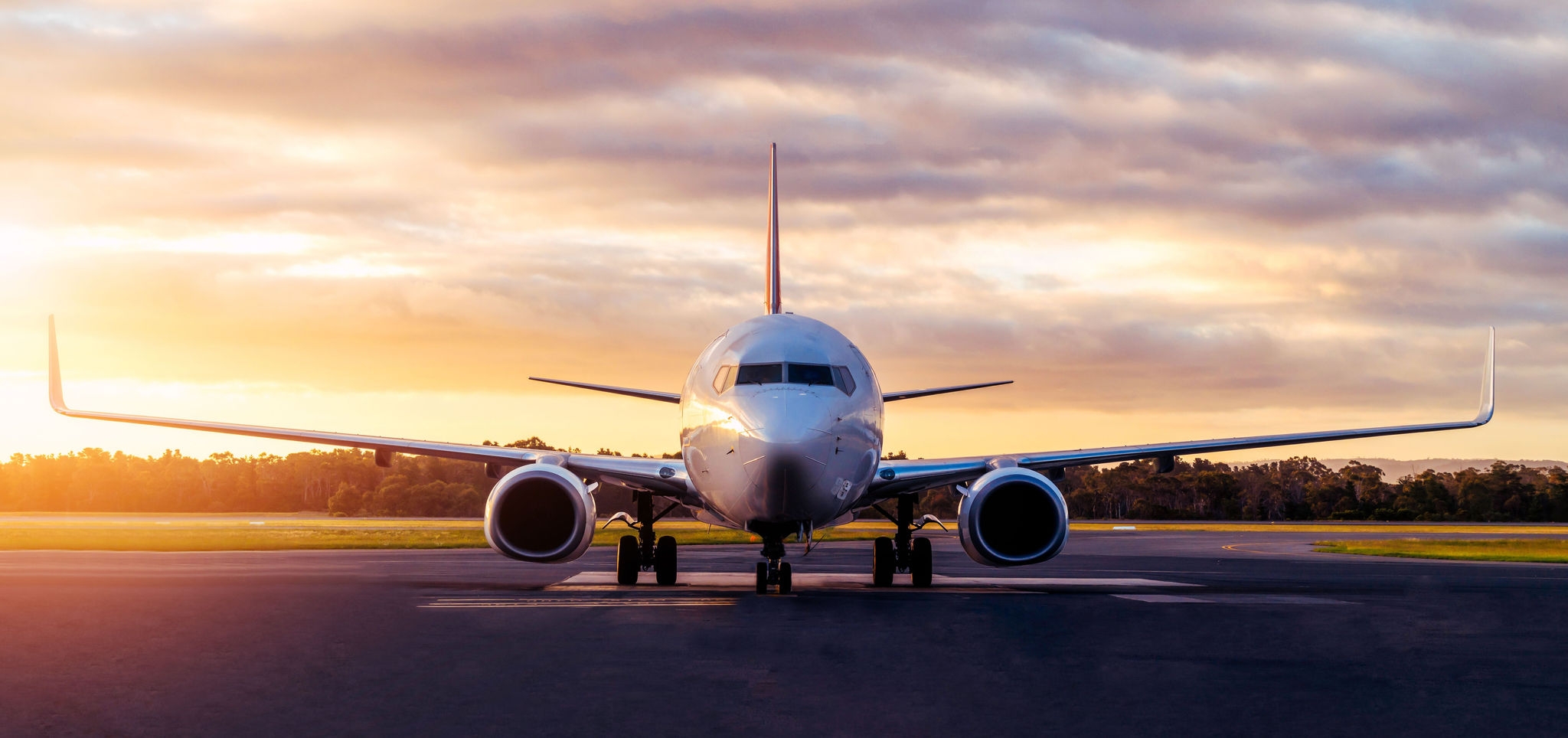
HAMR Energy’s Series A funding has raised A$10 million to support a pipeline of LCLF projects.
Australia’s low carbon liquid fuel opportunities
Australia has a natural advantage in LCLF production, with readily available feedstock and existing refinery infrastructure that can be re-purposed to process that feedstock into fuel. Combined with relevant technical expertise, ongoing research into new ways to create low carbon liquid fuels and a supportive government, Australia’s LCLF industry is set to thrive.
The Australian Government and industry recognise the crucial role that Australia will need to play to support our neighbours in the Asia-Pacific region, particularly those countries that do not have the ability to develop LCLF. Investment opportunities are available to boost upstream and downstream production capacity and export to global markets.
How Austrade can help
The Australian Trade and Investment Commission (Austrade) supports foreign investors to establish and expand operations in Australia. Our experts in Australia and around the world can help you through every stage of your investment journey.
We offer the latest industry insights, connections with key stakeholders and decision-makers, and virtual or physical site visits to Australia. Thousands of foreign businesses have worked with us to tap into the Australian market.
For information on investment opportunities in Australia, contact an Austrade investment specialist.
Go further, faster with Austrade
Subscribe to the Investment Update newsletter to find out about new investment opportunities, insights and investor success stories across Australia.